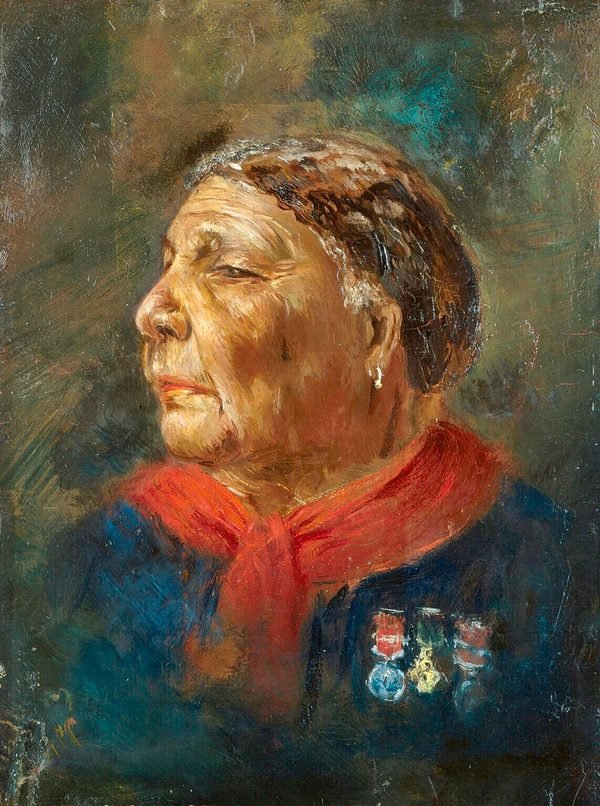
Mary Seacole
1805–1881 · Jamaican nurse and businesswoman
Mary Jane Seacole (Kingston, Jamaica, 23 November 1805 – 14 May 1881) was a Jamaican nurse and businesswoman of Scottish and Creole descent. She is known above all for her work during the Crimean War and for publishing one of the first autobiographies written by a woman of African descent in Britain. After her death she was largely forgotten for almost a century, and today she is remembered as a woman who overcame the racial prejudice of her time.
She was born Mary Jane Grant in Kingston, in the British Colony of Jamaica, within the community of free Black people. Her father, James Grant, was a Scottish lieutenant in the British Army, and her mother, nicknamed "The Doctress", ran a boarding house called Blundell Hall and practised a traditional medicine based on Caribbean and African herbs. In that house Seacole learned the basics of caring for the sick: hygiene, ventilation, rest, hydration and good nutrition. After the deaths of her husband and her mother in the 1840s, she continued to run the family boarding house and in 1850 treated patients during the cholera epidemic that struck the island. Later she travelled to Panama, where she served prospectors heading to the California Gold Rush.
When the Crimean War broke out in 1853, Seacole asked the British War Office to include her in the team of nurses sent to the front, but her request was turned down. She decided to travel on her own, and in Crimea she set up the British Hotel, an establishment behind the lines that offered food, drink and lodging to officers and convalescing staff. From there she also tended wounded soldiers on the battlefield. Her work made her very popular with the troops, who raised money for her when, after the war, she found herself in poverty. In 1857 a four-day charity gala was held in London in her honour, attended by some 40,000 people.
That same year she published her autobiography, Wonderful Adventures of Mrs Seacole in Many Lands, in which she describes her life with a vigorous tone and pride in her origins. Some aspects of her account have been questioned by historians, and her role in Crimea has prompted debate over whether her achievements have been exaggerated for political reasons. Her recognition came late: in 1991 she was awarded the Jamaican Order of Merit, and in 2004 she was voted the greatest Black Briton in a public survey. Even so, the erection of a statue of her at St Thomas' Hospital in London in 2016 provoked controversy, especially among those concerned with the legacy of Florence Nightingale.
Contributions
- British Hotel: the establishment she set up in Crimea to provide food, drink and lodging to officers and convalescing staff.
- Care on the battlefield: she gave aid to wounded soldiers at the front, unusual for a woman of her time.
- Autobiography of 1857: one of the first works written by a woman of African descent in Britain.
- Traditional medicine: she combined the Caribbean and African herbal remedies she learned from her mother with what she observed of military doctors' practices.
Curiosities and anecdotes
A controversial statue
The statue erected in her honour at St Thomas' Hospital in London in 2016 drew opposition because of the role attributed to her in comparison with Florence Nightingale.
A literary mention
The writer Salman Rushdie cited her in The Satanic Verses as an example of the overlooked history of Black people, alongside Olaudah Equiano.
Sources
Original Medicapedia text based on:

Last updated: 5 November 2026 · How Medicapedia is made
A project by Alejandro Rosàs Navarro, family physician and specialist in preventive medicine and public health. Spotted a mistake? Write to info@medicapedia.org.